

Prototyping
Speed up your product development with our rapid prototyping services. Using advanced 3D printing technology, we quickly turn your digital designs into precise, functional models. Bring your ideas to market faster and more efficiently with our expert 3D printing solutions.
The Different Types of Prototyping
In the context of 3D printing, various types of prototyping exist to address different stages of product development, from conceptualization to final testing:
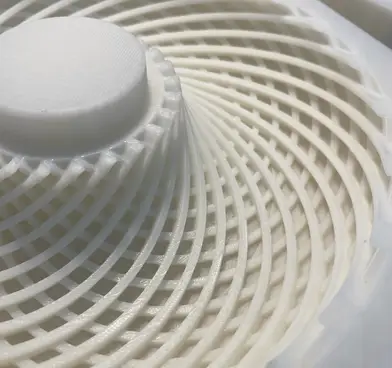
Conceptual Prototyping
Creating simple, quick, and often rough 3D models to explore ideas and concepts.
Usage: Early stages of product design to visualize and evaluate the overall form and aesthetics.
Benefits: Fast and cost-effective, enables rapid iteration and idea exploration.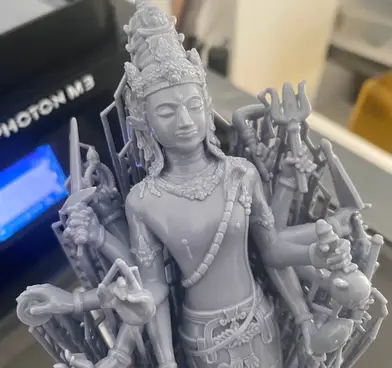
Presentation Prototyping
Creating detailed and polished 3D models to represent the final appearance of the product.
Usage: Assessing the visual design, aesthetics, and overall look of the product.
Benefits: Helps in finalizing design decisions and gaining stakeholder approval.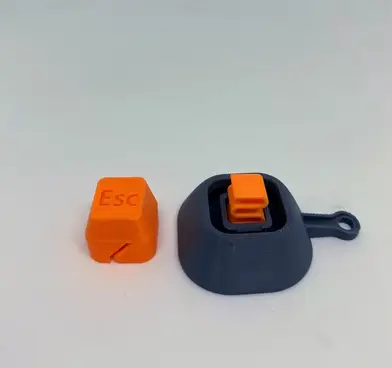
Functional Prototyping
Developing 3D printed models that replicate the functionality of the final product.
Usage: Testing the mechanical properties, fit, and function of the design.
Benefits: Provides valuable insights into the performance and usability of the product, allowing for functional testing.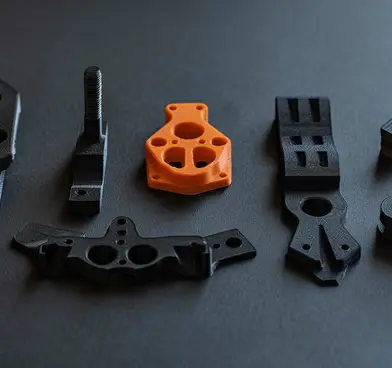
Rapid Prototyping
Utilizing 3D printing to produce prototypes for fast evaluation and testing quickly.
Usage: Speeding up the development cycle by quickly generating prototypes.
Benefits: Accelerates the design process, allowing for rapid feedback and iteration.


Material for Prototyping
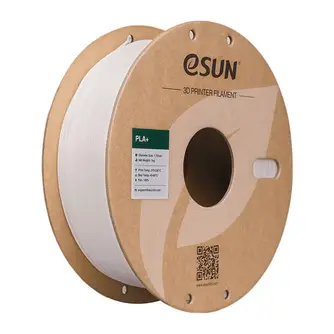
PLA Filament
PLA filament is a popular choice for prototyping due to its ease of use and eco-friendliness. Made from renewable resources like corn starch, it is biodegradable and produces minimal odor during printing. PLA offers good strength, a smooth finish, and is ideal for creating detailed and aesthetic prototypes.
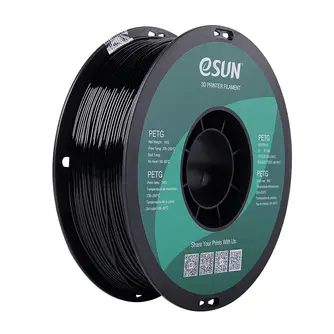
PETG Filament
PETG filament combines the best of both PLA and ABS, offering strength, flexibility, and chemical resistance. It is easy to print and produces durable prototypes that can withstand mechanical stress. PETG is perfect for functional prototypes that require both robustness and clarity.
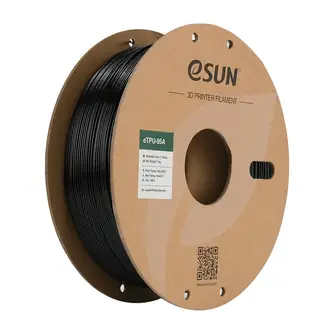
TPU Filament
TPU filament is a flexible and elastic material, ideal for creating prototypes that require rubber-like properties. Its high durability and resistance to abrasion make it perfect for functional parts that need to bend or stretch without breaking. TPU is used in applications ranging from wearables to automotive components.
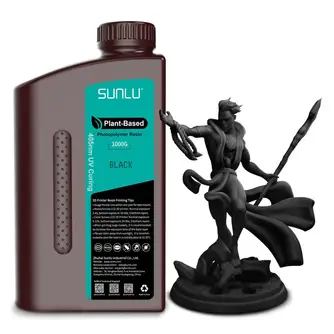
ABS-Like UV Resin
ABS-like resin is a tough and impact-resistant material, making it an excellent choice for prototyping parts that need to mimic the strength and feel of molded plastics. It offers good dimensional stability, minimal warping, and a smooth surface finish—ideal for detailed models and functional prototypes.


Make an Order
Upload a 3D file for an instant price, or send photos and we'll check if it can be made.
Prefer to chat? Chat on WhatsApp